
.svg)


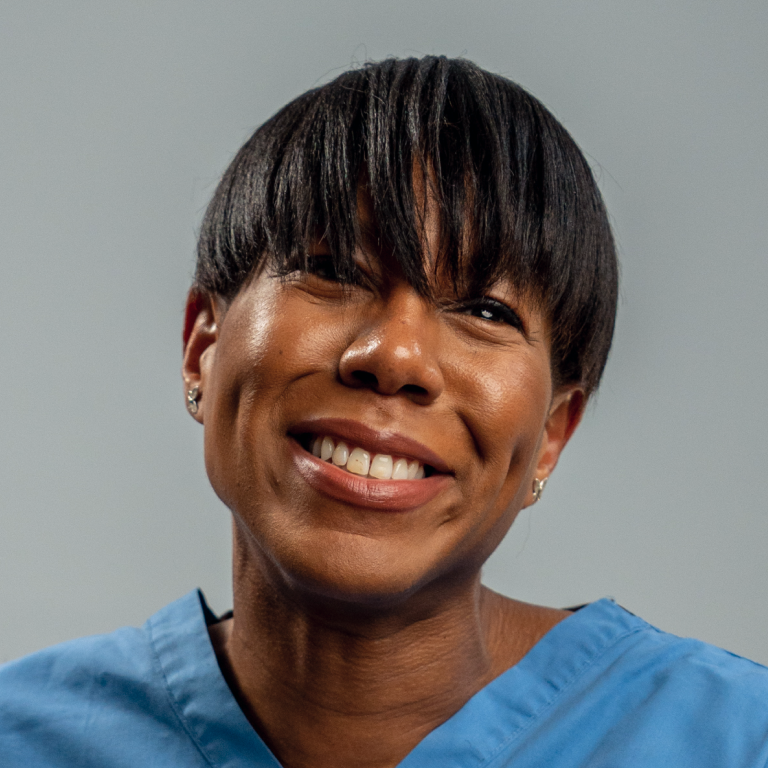
While working for the NHS, Dr Uchenna Amaechi and Dr Anne Gauthey-Sebert saw a pattern. Women with complex needs were being passed between generalists who didn’t have the time or depth of expertise and specialists who couldn’t see the whole picture. These fragmented, frustrating experiences left women feeling unheard.
2Me Clinic was designed to bridge that divide. A hybrid hub for women’s health that treats the whole person, not just the condition. Patients can access GP services, sexual and reproductive health support, menopause care, psychotherapy and more, all from one place.
Today, 2Me combines in-person and digital care, empowering women to book, consult and follow up seamlessly. It’s healthcare designed around real life: accessible, holistic and built for women’s needs.
Creating a clinic that merges general practice with specialist care isn’t simple. It requires continuity, time and teamwork; three things that healthcare can often lack. For 2Me Clinic, every appointment needs to allow for easy booking, longer consultations and consistent follow-ups.
“Women’s health is complex and sensitive. You can’t rush it,” explains Dr Amaechi. “The 10-minute model just isn’t appropriate for managing female health issues.”
Before switching to Semble, 2Me was using an electronic patient record system that was unintuitive and hard to adapt, which slowed care down. They needed a system that would get patients in their care journey quickly, but booking an appointment was clunky for both the team and their patients. Designing questionnaires, which was key to their consultations, was complicated. They were spending valuable time wrestling with admin instead of treating patients.
This was more than just a workflow issue; it risked the clinic’s vision. “Before Semble, things were very challenging. The previous system was complicating the patient journey – they found it really challenging to navigate their own appointment booking.”
Dr Amaechi describes a healthcare system marked by disconnection, short appointments and a persistent gender health gap, especially for complex, sensitive issues that require time and specialist knowledge.
“There’s too much fragmentation. Women are having to navigate conditions themselves, being dismissed a lot of the time because people are not listening to them, and they can’t get access to care – there’s really long waits.”
She argues that the traditional split between generalists and specialists leaves many women falling through the cracks: general practice can offer holistic context but often lacks specialist depth for areas like perimenopause, menopause, chronic pelvic pain and more, while specialty services can be time-pressed and narrowly focused.
That’s why continuity of care is so important to 2Me Clinic:
“Continuity is the foundation of a good patient journey. When patients are able to see the same clinician and are given enough time, they begin to trust and open up about the things they’ve been fearing. It helps to facilitate correct diagnoses and management plans.”
Dr Amaechi and Dr Gauthey-Sebert needed technology that could flex with their care model, one that allowed for longer consultations, easy collaboration between clinicians and a smoother patient experience from start to finish.
Since adopting Semble, 2Me Clinic has brought its vision of a connected, patient‑centred service to life. Patients can now book appointments directly via the website, giving them immediate access to 2Me’s service and reducing the stress of securing a timely consultation.
“Semble felt aligned with what we were doing as a clinic,” Dr Amaechi explains. “It allows us to do what we were trained to do as clinicians. It simplifies the patient journey and makes it easy for patients to book, for us to gather information beforehand and for follow-ups to happen smoothly.”
Before each consultation, patients complete tailored questionnaires around menopause, mental health, contraception and more, that feed directly into their record. Dr Amaechi and the team then have the essential information in advance, freeing up time for meaningful discussion.
“Patients fill in our tailored questionnaires before the appointment. It means we already have that information and we’re not spending time gathering it during the consultation. The nice thing about Semble is you can design bespoke templates that support your consultations.”
Prioritising communication and building trust
In Dr Amaechi’s experience, more patients are arriving anxious to appointments after consuming medical information on online platforms, such as social media or ChatGPT.
“We have women who are anxious because they've watched lots of TikTok videos about the pain of having a coil inserted, and they’re stressed out about the procedure.”
This kind of anxiety is understandable in an area of health that is typically misunderstood and waiting lists for care are long. Persuasive misinformation is quick to spread, and while many people are now turning to these external sources for quick answers, that content is often partial or de-contextualised. The result is a fear that can shape expectations long before a consultation.
For Dr Amaechi and Dr Gauthey-Sebert, knowledge is power. 2Me consultations are 45 minutes, which allows for time to walk patients through the steps in their care, give meaningful advice and correct any misconceptions.
“We take the time to understand what they’ve been through and discuss with the patient what to expect for a procedure. We can't control a lot of what happens on social media, but we can control what happens in this clinic, and that's what patients are going to take away.”
2Me also uses follow-up messaging as an opportunity to keep patients informed and empowered.
“Education and empowering women with knowledge about their female health is very important for us as a clinic. We can send out comms at the beginning of every month, a quick reminder, for instance, for women to check their breasts.”
It’s also been key for the 2Me team to make appointments easy to access, so women can get the care they need quickly and without obstacles, especially given how many have struggled to be seen.
“Semble has been revolutionary for us, it’s allowed for very easy patient booking,” Dr Amaechi explains. “They can control their bookings very easily. We see patients all the time who are surprised by the ease of booking an appointment. They’re not used to the seamlessness of that journey.”
The tailored questionnaires patients received before their consultation feed directly into their record. The 2Me team can see this information and arrive prepared, ready to listen rather than gather basic details.
“Semble allows us to gather all that important information about patients, giving us consistency between clinicians, so every patient gets the gold-standard care. Every clinician, from our psychotherapist to nutritionist, has access to the same information. That patient journey is simplified, and it makes for more efficient use of our consultation time.”
Telehealth appointments and electronic prescriptions have also expanded the clinic’s reach.
“We use telehealth for consultations and electronic prescriptions so we can support patients anywhere in the UK. For follow-ups and simple consultations, it’s invaluable.”





.webp)