

HOW TO PREPARE FOR CQC
A step-by-step guide to registering with CQC
CQC registration can seem complex at first, especially when you’re trying to understand what exactly is required. Breaking the process down step by step makes it easier to prepare and avoid delays.
 |
Dr Jonathan Andrews, CQC Compliance Consultant, Govanta Compliance |

Getting registered with the CQC can feel like one of the biggest milestones when setting up a new healthcare service.
There’s paperwork to gather, forms to complete and a lot of detail to get right, which can make the process feel daunting at first. But while CQC registration is thorough, it’s much more manageable when you break it down into clear steps.
First things first: Do I actually need to register?
Before you start the application, the first step is to confirm whether your service provides any of the 14 regulated activities.
You’ll also need to identify:
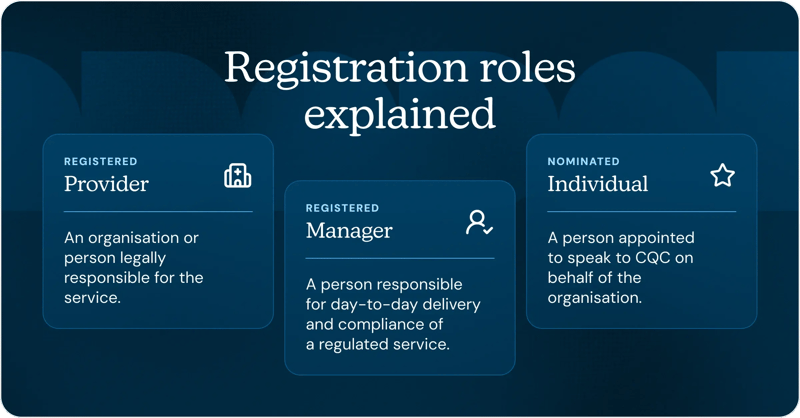
- Who the Registered Provider will be: This is the person, partnership or organisation legally responsible for delivering a health or care service, making sure it’s properly run and meets CQC’s standards for safe, effective care.
- Who the Registered Manager will be: This is the person responsible for the day-to-day running of regulated activities at a service location, sharing legal responsibility with the provider and acting as a key contact for CQC to help ensure people receive safe, quality care that meets their needs.
- Who the Nominated Individual will be: A good rule of thumb is: if you’re an organisation rather than an individual or a partnership, you’ll usually need a nominated individual. The Nominated Individual speaks for the organisation to CQC, whereas the registered manager runs the service in practice.
The Registered Manager must complete a separate registration form and it will all be submitted together as part of your main application.
If your service does carry out a regulated activity, you’ll need to be registered before you start providing care. There are some exemptions for certain activities and service arrangements, so it’s worth checking those carefully before moving ahead.
Registration: Your step-by-step guide
Registering with the CQC is a rigorous process, but it is completely manageable when you break it down into smaller stages.
It’s worth noting that the application process has changed slightly. Previously, applications were completed in full online via the CQC Provider Portal. But since the end of 2024, the CQC has been making improvements to their service and as such, applications are being submitted by email instead.
The forms you’ll need can be downloaded directly from the CQC website. Once completed, they should be sent, along with your supporting documents, to hsca_applications@cqc.org.uk.
Below is a typical roadmap for what you can expect.
1. Gather essential information and documentation
Before you begin completing the forms, make sure you have all the key documents ready. This typically includes:
- Proof of identity, such as passport or driving license
- The proposed Registered Manager’s full employment history (from the age of 16)
- Professional qualifications and credentials
- Referee details
- Indemnity quotes or certificates, including:
- Public Liability
- Employers’ Liability
- Professional Liability (for example, Medical Malpractice Liability)
- Financial viability statements signed by a registered professional, such as an accountant
- Enhanced DBS checks (healthcare professionals should provide a DBS check that’s less than 12 months old. If it isn’t, a new one should be obtained.)
2. Draft your Statement of Purpose
Your Statement of Purpose is one of the key documents in your application. It should clearly explain:
- Who you are as a provider
- What services you offer
- Which patient groups you support (for example, adults 65+, or people with learning disabilities)
- Your legal business details
- Where and how your services will be delivered
- The regulated activities you are applying for
- Your core aims and objectives around safe, effective, person-centred care that meets the CQC’s fundamental standards
To put it simply, your Statement of Purpose is a clear, plain-English overview of your service: what you do, who you support, where you operate and what people can expect from your care.
There’s no strict word count or required length but in most cases, it’s usually around one to two pages of A4. The CQC then publishes this document so people know what they can expect from your care, so it’s important that it accurately reflects your service and is easy to understand.
3. Complete and submit your application
Once your documents are in place, you can complete the ‘New Provider’ application form itself. This comes as a protected Word document, and be warned: it’s long! Make sure you give yourself plenty of time to complete it, so it doesn’t become overwhelming. Remember, this form is currently submitted by email rather than through the online portal.
Make sure all sections are completed carefully, including:
- Regulated activities
- Service locations
- Policies
- Supporting documentation
Accuracy really matters here. Small errors or missing information can slow things down, so it’s worth taking enough time to review everything before sending it. You know the saying: check twice, submit once.
4. Prepare for the registration interview
If you’re applying as a Registered Manager, it’s likely you’ll have to take part in a remote registration interview.
This is a perfectly normal part of the process and your opportunity to demonstrate that you understand your legal responsibilities, how your service will remain compliant, your governance processes and how you’ll keep people safe.
For this interview, it can be helpful to have a copy of your application handy, as well as your key policies and any relevant CQC guidance. This way, you can easily refer back to them if you need to.
How long does the registration process take?
The time involved can vary depending on the complexity of your service and how quickly you can gather the supporting documents.
While the forms themselves can take a few hours to complete, most providers will find the full application can’t be finished in one sitting. That’s often because the supporting items, such as insurance quotes, DBS checks or the financial viability statement can take days or even a few weeks to organise.
The CQC advises that registration typically takes around 10 weeks, but in some cases it can take longer. For more complex applications, it’s not unusual for the process to stretch to six to nine months.
That can feel like a long time when you’re eager to get started, but building in that lead time early can help you plan more confidently and avoid unnecessary pressure later on.
Requesting urgent registration
You can, however, request urgent registration if you feel your service applies. Generally, the CQC will review applications in the order they receive them, but some exceptions may be made if your application increases capacity in the health and social care system, or if it reduces pressure on the NHS.
If you think that your service does one or both of those things, you can send a formal signed request from one of the following:
- A senior leader in an NHS trust
- A member of an Integrated Care Board (ICB) commissioning team
- A senior leader in the local authority
This request must explain why your service is urgently needed, why local services can’t meet the demand and the risks to patients who use those services if your service isn’t registered urgently.
This request needs to be written on official headed paper or sent from a verified gov.uk or nhs.net email address. You can email this request to the Central Coordination Team.

Dr Jonathan Andrews is a Medical Director and practising doctor working across both the NHS and private healthcare. In addition, Jonathan also leads Govanta Compliance, a CQC consultancy dedicated to demystifying the inspection process and helping practices achieve successful outcomes. He advises start-ups and scale-ups and delivers educational services across a broad range of topics.



.webp?width=380&height=201&name=What%20is%20CQC_%20(1).webp)