

One of the questions I hear most often from consultants is whether AI will reduce the need for medical secretaries.
My answer is always the same: no, but it will change where they create value.
Many clinicians still think of a medical secretary as someone who manages correspondence, organises diaries and handles paperwork. While those responsibilities remain important, the role has expanded significantly.
Today, the best medical secretaries act as the operational backbone of a practice. They sit at the centre of the patient journey, connecting consultants, patients, hospitals, insurers and wider teams. They ensure information flows smoothly, priorities are managed effectively and operational issues are resolved before they affect patient care.
As technology takes over more routine administration, the role is becoming more strategic, not less. The most effective medical secretaries aren't simply completing tasks. They're protecting clinic time, improving patient experience and helping practices run more efficiently.
AI should remove repetitive work, not human oversight
There are many areas of private practice administration where AI and automation can deliver genuine value.
Appointment reminders, online booking systems, patient intake forms, document templates and billing workflows can all be streamlined through technology. These are predictable, process-driven activities that are ideal candidates for automation.
However, some responsibilities should always remain under human oversight.
Patient communication is rarely straightforward. Sensitive situations require judgement. Priorities change throughout the day. AI can support these processes, but it cannot fully understand the nuances that sit behind them.
One phrase we often use at MPM is that the judgement AI must never replace is the judgement of AI itself. Technology can generate an outcome, but someone still needs to assess whether that outcome is accurate, appropriate and right for the patient involved.
At MPM we call this the Human-in-the-Loop model: AI does the volume, trained medical secretaries own the oversight. It's what our Veysey Standard™ certifies against.
The strongest practices are not those that automate everything. They are the ones that understand where automation creates efficiency and where human judgement remains essential.
The best medical secretaries create value beyond administration
As administrative workloads become lighter, medical secretaries have an opportunity to focus on areas that directly influence both patient experience and practice performance.
Patient communication is one of the most important. Patients rarely remember every clinical detail of their care, but they do remember how supported, informed and reassured they felt throughout the process.
Diary optimisation is another area where experienced secretaries create considerable value. Making the best use of clinic time, reducing unnecessary gaps and ensuring appointments run smoothly can improve both patient access and practice profitability.
Quality control is becoming increasingly important too. As AI-generated correspondence becomes more common, somebody needs to review outputs for accuracy, tone and context before they reach patients.
Beyond individual tasks, many secretaries are now acting as coordinators across the wider practice. They bring together information from multiple stakeholders, ensure processes are followed consistently and help maintain continuity throughout the patient journey.
The clinics that get the most value from this role are the ones that hire for operational capability, not just administrative support. Adaptability, communication skills, judgement and commercial awareness are becoming just as important as traditional secretarial skills.
As practices grow, these responsibilities often evolve even further, with medical secretaries taking on greater responsibility for patient pathways, operational coordination and supporting wider clinic teams.
The role should evolve as your practice grows
The support a consultant needs when launching a private practice looks very different from the support required in a busy multi-clinician clinic.
In the early stages, a medical secretary is often responsible for a broad mix of tasks. They may manage appointments, patient communication, referrals and general administration while helping create the processes that keep the practice organised.
At MPM, our medical secretaries don't do the billing themselves. That sits with a dedicated billing partner, and the med sec manages the relationship. It's one of the most important handovers in the practice: anomalies come up regularly and need someone with clinical context to flag them.
As patient volumes increase, the role naturally becomes more focused on coordination and oversight. New workflows emerge. More stakeholders become involved. Communication becomes more complex. Maintaining consistency across the patient journey requires greater structure.
At this stage, the medical secretary often becomes responsible for coordinating activity across the wider practice, ensuring information flows efficiently between patients, consultants, hospitals and insurers.
Gillie Atkins, MPM's Head of Operations & Client Services, adds: "Scaling well means anticipating tipping points. The cracks appear first in inbox response times and chasing missing information. Add capacity then, not after a complaint. When you move to a team, the structure follows: shared notes, cover arrangements and a lead PA holding consistency."
In larger clinics, the role may evolve even further, with responsibility for patient pathways, operational reporting, diary utilisation, escalation processes and supporting junior administrative staff.
This evolution is important because growth without operational structure rarely feels sustainable. The clinics that scale most successfully are usually the ones that invest in operational support before problems begin to emerge, rather than after.
Technology and people create the strongest practices
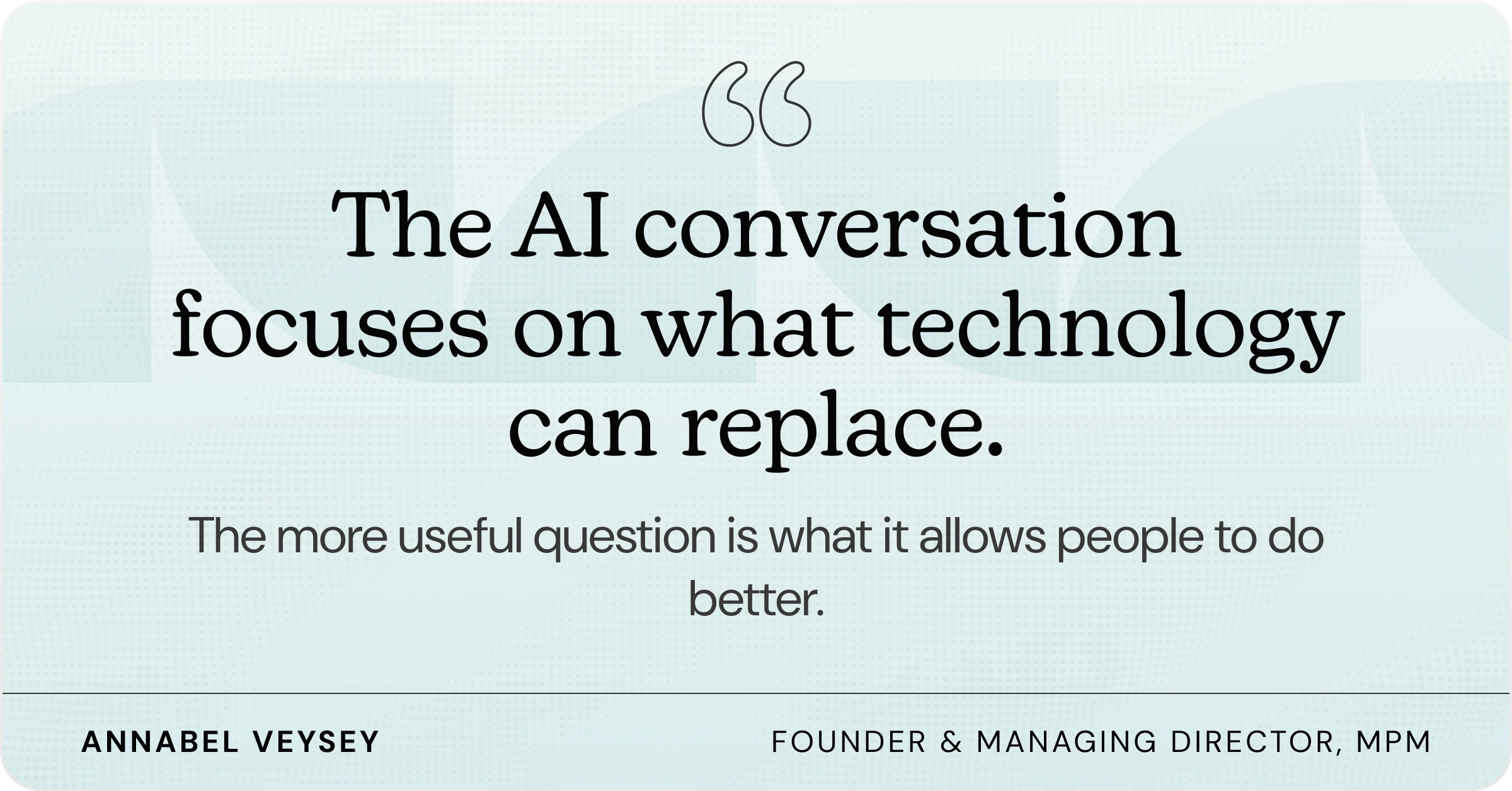
The conversation around AI often focuses on what technology can replace. I think the more useful question is what technology allows people to do better.
Used well, AI can remove repetitive administration, improve efficiency and free up valuable time. But the practices that will benefit most are those that use that time intentionally.
As routine tasks become automated, medical secretaries have an opportunity to focus on the areas where they create the greatest impact: patient experience, operational coordination, quality oversight and practice growth.
Far from making the role less important, AI is helping reveal the true value it has always brought to private practice.
As AI handles more of the volume, the real value in private practice will sit in the human moments. Patients increasingly want, and will pay a premium for, someone real who knows them and their care.
Working with your medical secretary: The first 30 days
Focus on visibility and workflow: mapping the patient journey, identifying admin bottlenecks, assessing diary flow, documenting processes and clarifying priorities.
After the initial settling-in period, clinics should start measuring where time is actually being spent. One of the most common operational mistakes is underestimating the administrative time required to run a responsive, safe and efficient private practice. Time recording and workload visibility help ensure the PA has sufficient capacity as the clinic grows.
The first 90 days
Optimisation and structure: start implementing automation where appropriate, refining workflows, creating escalation pathways, strengthening communication processes, defining task ownership and introducing quality control.
Whether a clinic is launching or scaling, building the right operational structure early, including technology, workflow and experienced medical secretary support, prevents many of the bottlenecks that appear later as the practice grows.

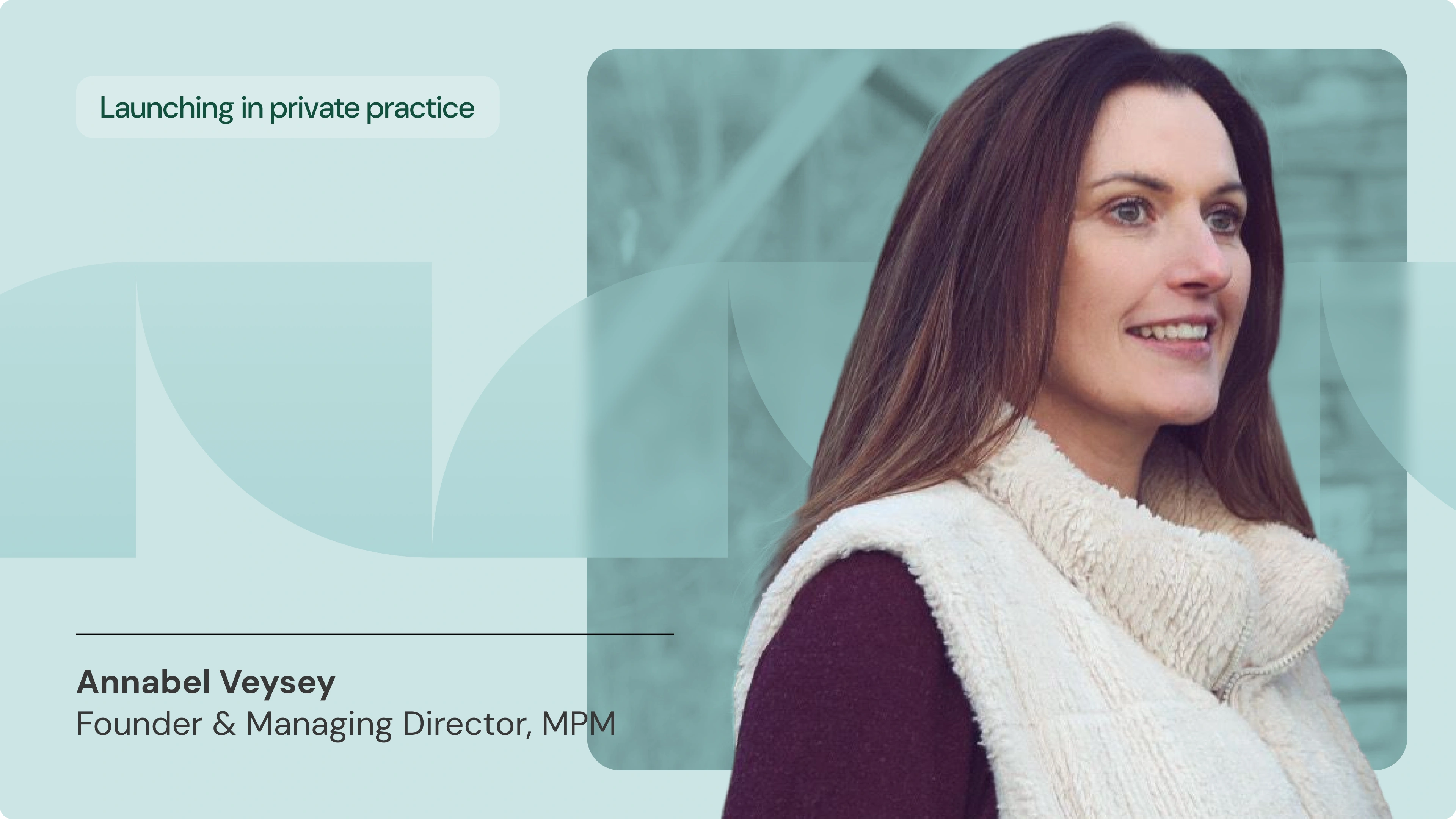
Annabel Veysey is the founder of MPM (Medical Practice Management Ltd), which provides virtual medical secretary services to private consultants and clinics across the UK, supporting practices at every stage, from new launches through to established multi-clinician groups. Gillie Atkins is MPM's Head of Operations & Client Services and leads the operational side of the business, from onboarding through to client scaling.
MPM's mission is to empower consultants, clinicians and therapists to scale their private practices without compromising on quality or safety. The team work to the Veysey Standard™, MPM's quality mark for human-led oversight of AI-assisted documents. Every output is reviewed, formatted and approved by a qualified medical secretary before reaching a patient.
MPM's Startup Packages support consultants launching in private practice, established solo consultants, medium and large clinics and multi-clinician consortiums. Every engagement pairs a trained medical secretary with our Human-in-the-Loop framework certified by the Veysey Standard™.